Can fMRI Read Your Mind? (BS 156 with Russ Poldrack)
/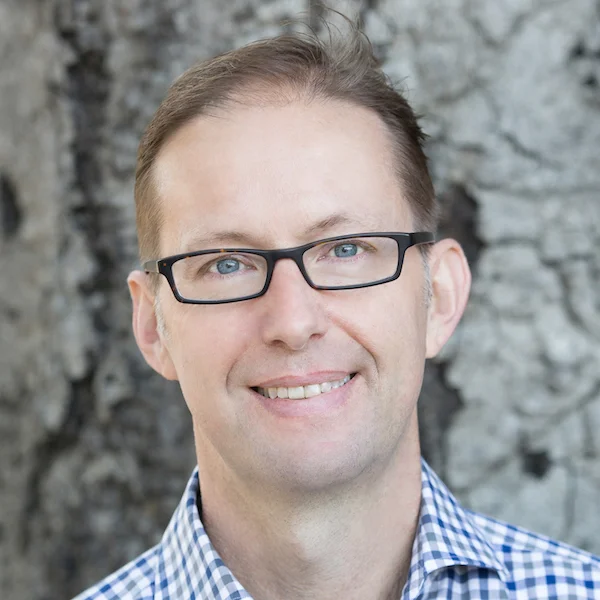
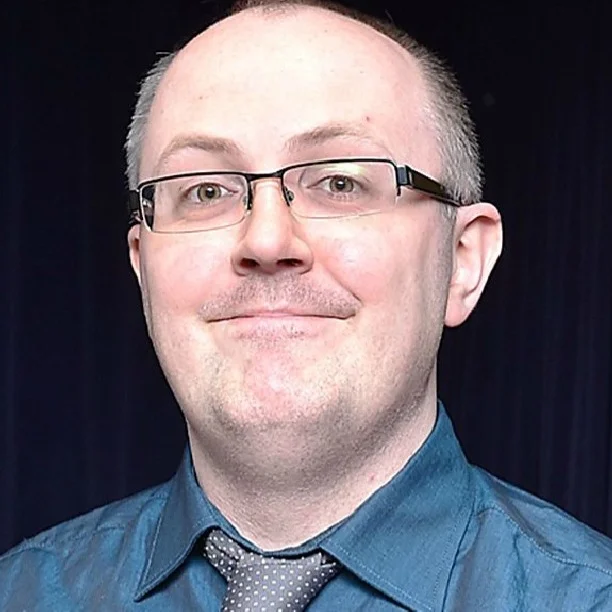
BS 156 is an interview with Stanford psychologist Russell Poldrack, author of The New Mind Readers: What Neuroimaging Can and Cannot Reveal about Our Thoughts.
Read MoreA Podcast that Explores how neuroscience is unraveling the mystery of how our brain makes us human
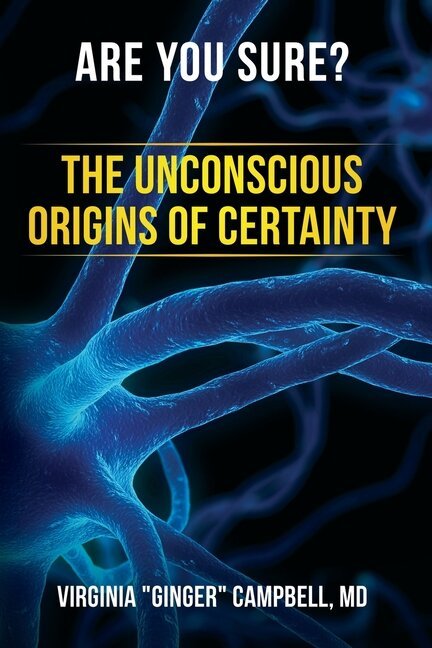
Brain Science is a monthly podcast Brain Science, hosted by Ginger Campbell, MD. We explore how recent discoveries in neuroscience are helping unravel the mystery of how our brain makes us human. The content is accessible to people of all backgrounds.
BS 156 is an interview with Stanford psychologist Russell Poldrack, author of The New Mind Readers: What Neuroimaging Can and Cannot Reveal about Our Thoughts.
Read MoreBS 155 is an interview with neuroscientist Paul Middlebrooks, creator and host of the podcast Brain Inspired. His show explores the intersection between neuroscience and artificial Intelligence.
Read MoreBS 154 is an interview with Dr. Alan Castel, author of Better with Age: The Psychology of Successful Aging. We explore the role of attitude in successful aging, as well as several other evidence-based approaches.
Read MoreBS 153 is an interview with Harvard neuroscientist John Dowling about his most recent book Understanding the Brain: From Cells to Behavior to Cognition.
Read MoreBS 152 is our 12th annual review episode. In 2018 nine new books were featured and the subjects covered included memory, peri-personal cells, creativity, language, reading, the cerebral mystique, synapses, happiness, emotion and work of Eve Marder. We had 4 new guests and 4 returning guests along with an encore interview with Dr. Eve Marder.
This episode includes highlights from all 11 episodes that were released between January and November 2018.
Read MoreBS 151 is a discussion of The Neuroscience of Emotion: A New Synthesis by Ralph Adolphs and David J. Anderson. We talk about key ideas from the book and relate them to several previous episodes about emotion including interviews with Jaak Panksepp, Lisa Feldman Barrett and Luiz Pessoa.
Read MoreBS 150 is our 4th interview of Seth Grant, the molecular biologist who has uncovered the fascinating evolution of synapse complexity. In this interview we learn about the first whole brain mapping of the mouse brain synaptome. We discuss the implications of the surprising level of diversity found in synapses in different brain areas. Dr Grant introduces us to a new theory of perception and memory recall.
Read MoreIn response to listener requests, I recently interviewed Dr. Steven Novella from the Skeptics Guide to the Universe. This has been posted as Episode 16 of Books and Ideas , my other podcast. The details are available in the show notes on the Books and Ideas website. I hope you will consider subscribing to the podcast, but if you just want to hear the interview,
BS 149 is an interview with Dean Burnett, author of Happy Brain: Where Happiness Comes From, and Why. This is a good episode for new listeners of all backgrounds.
Read MoreBS 148 is an interview with pioneering neuroscientist Dr. Eve Marder. It was recorded in 2009, but the content remains surprisingly relevant.
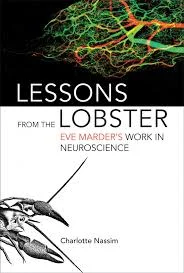
Read MoreBS 147 is a discussion of Lessons from the Lobster: Eve Marder's Work in Neuroscience by Charlotte Nassim. I explain why I think Dr. Eve Marder deserves a Noble Prize for her life time of contributions to neuroscience. Please note that Marder’s original interview (BSP 56) is also now available for FREE download.
Read MoreBS 146 is an interview with Dr. Alan Jasanoff, author of The Biological Mind: How Brain, Body, and Environment Collaborate to Make Us Who We Are. We talk about how what he calls “the cerebral mystique” causes people to forget that the brain is not autonomous, but relies on its interaction with the body and its environment to create the Mind.
Read MoreBS 145 is an interview with Dr. Maryanne Wolf, author of Proust and the Squid: The Story and Science of the Reading Brain and Tales of Literacy for the 21st Century: The Literary Agenda. Dr Wolf has spent her career studying how the brain is changed by learning to read. We also explore her concerns about how the shift to digital media will change our reading brains.
Read MoreBS 144 is an interview with Dr. Angela Friederici, author of Language in Our Brain: The Origins of a Uniquely Human Capacity. This is an extensive review of several decades of research, but this interview makes the field accessible to listeners of all backgrounds.
Read MoreBS 143 is an interview with Elkhonon Goldberg, author of Creativity: The Human Brain in the Age of Innovation. Dr. Goldberg's earlier books were featured during our first year, and he was last interviewed way back in 2007 for BSP 18.
Read MoreBS 142 features the return of Dr. Michael Graziano, who first appeared on Brain Science in BSP 108. In this episode we talk about his new book, The Spaces Between Us: A Story of Neuroscience, Evolution, and Human Nature. This is an exploration of peripersonal neurons. We explore not just how they were discovered, but why they are so important in our daily lives, affecting everything from tool use to getting along with others.
Read MoreBS 141 is an interview with Rodrigo Quian Quiroga, author of The Forgetting Machine: Memory, Perception, and the "Jennifer Aniston Neuron."
Read MoreBS 140 is our Eleventh Annual Review episode. We look back at the highlights from 2017 and also share a few ideas from this years annual meeting of the Society for Neuroscience. Thank you for your support.
Read MoreJeff Hawkins, author of the bestseller On Intelligence tells us about his latest research into how the neocortex produces intelligence. He proposes an exciting new model that could change the way we imagine cortical function.
Read More
Dr. John Medina has spent his career in bio-engineering, but he also has a deep interest in how the brain works. In his latest book Brain Rules for Aging Well: 10 Principles for Staying Vital, Happy, and Sharp, he presents our knowledge brain aging in an engaging manner that can be enjoyed by readers of all backgrounds.
In this month's episode of Brain Science (BS 138) we discuss some of the most important principles for nourishing brains as we age. He describes what he calls the "dopamine lollipop," which is the surge of dopamine created by activities such as teaching and physical activities like dancing. Some of his ideas reinforce what we have discussed in previous episodes, but there are new ideas that are relevant to listeners of all ages.
FREE: audio mp3 (click to stream, right click to download)
Episode Transcript [Buy for $2]
Brain Rules for Aging Well: 10 Principles for Staying Vital, Happy, and Sharp by John Medina (Audible link)
The Mindful Way Workbook: An 8-Week Program to Free Yourself from Depression and Emotional Distress by John D. Teasdale, et. al. (Foreword by Jon Kabat-Zinn)
Brain Rules: 12 Principles for Surviving and Thriving at Work, Home, and School by John Medina (BS 37)
Dr. Campbell will be in Washington, DC November 11-15, 2017 for the annual meeting of the Society for Neuroscience.
Our new sponsor is The Great Courses Plus. A free month trial is available at http://thegreatcoursesplus.com/ginger.
Send email feedback to brainsciencepodcast@gmail.com.
Any amount is appreciated.
You support via Patreon helps Brain Science reach new listeners.
Copyright 2013 - 2023 | Virginia Campbell, MD. All Rights Reserved.